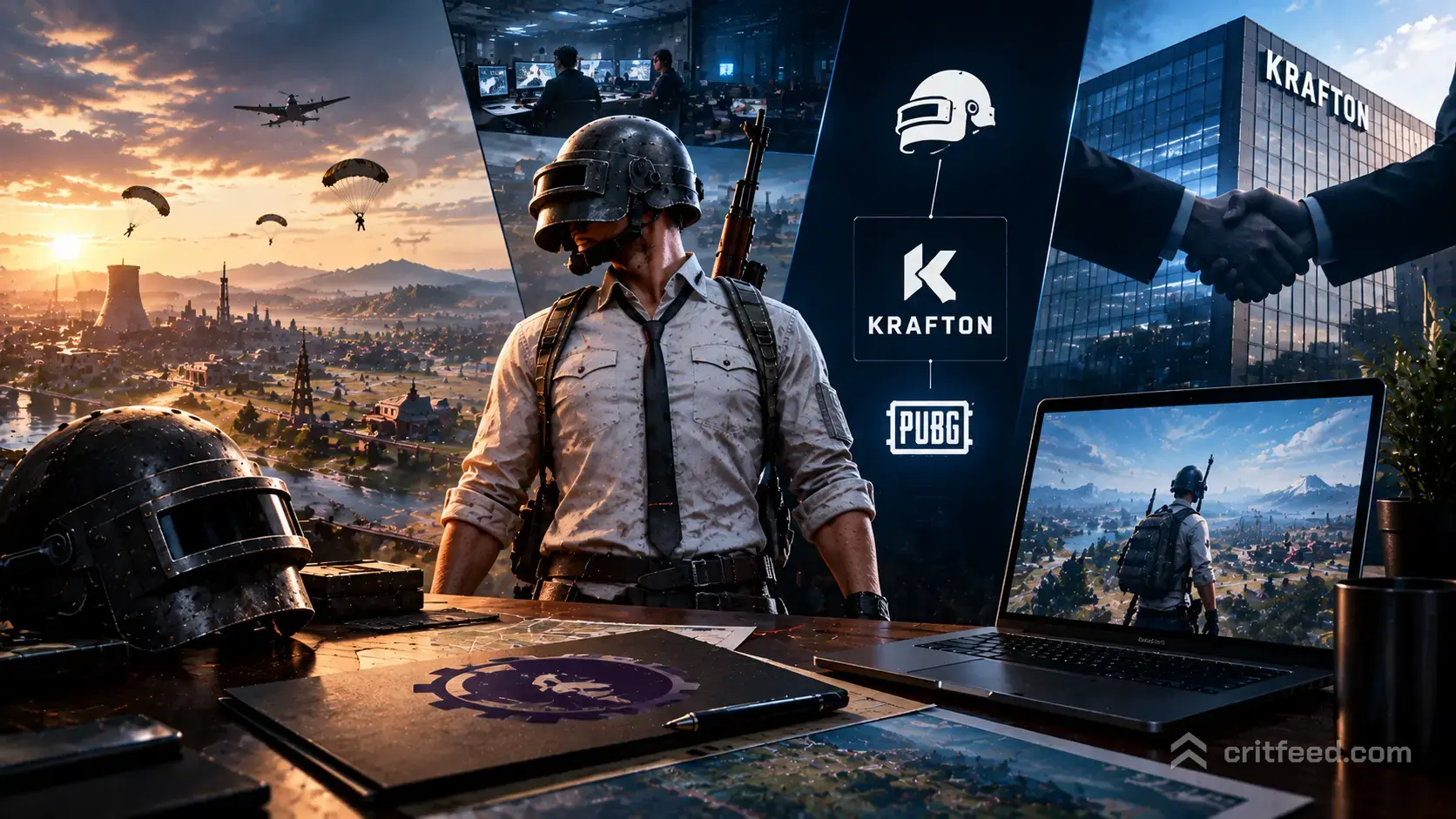
If you have ever wondered who the PUBG owner actually is, the short answer is Krafton, Inc., a South Korean video game company headquartered in Seongnam. Krafton develops and publishes PUBG: BATTLEGROUNDS on PC through its in-house studio, and the company is publicly listed on the Korea Exchange. In this guide, we break down the ownership story, why it matters for PC players, and how it shapes the game you load up every night.
Who Owns PUBG: BATTLEGROUNDS?
Krafton, Inc. owns PUBG: BATTLEGROUNDS. The company is the parent organisation behind the PC and console version of the battle royale, and it holds the intellectual property for the wider PUBG universe.
Krafton was originally known as Bluehole, the studio that incubated the game under creative director Brendan “PlayerUnknown” Greene. In 2018, Bluehole restructured and rebranded into Krafton as a holding company, consolidating several internal studios under one roof. PUBG Studios now operates as the dedicated development arm for the game.
Krafton went public on the Korea Exchange (KOSPI) in August 2021, which made the ownership structure a matter of public record. The founder and chairman, Chang Byung-gyu, remains a major shareholder, and institutional investors hold significant stakes as well.
A Short History of PUBG’s Ownership
Understanding how we got here helps explain why the game is run the way it is today.
- 2017: PUBG launches in Early Access on Steam, developed by Bluehole subsidiary PUBG Corporation.
- 2018: Bluehole reorganises into Krafton, a parent company structure covering multiple studios.
- 2021: Krafton completes its IPO on the Korea Exchange, becoming a publicly traded company.
- 2022: PUBG: BATTLEGROUNDS transitions to a free-to-play model on PC and console, opening the doors to a much larger player base.
Brendan Greene, the original creative lead, left to form his own independent studio several years ago. The game’s direction has been in Krafton’s hands since.
What Krafton Does Beyond PUBG
Krafton is not a one-game company. It operates multiple studios and franchises, which is useful context when you see where development resources go.
| Studio | Focus |
|---|---|
| PUBG Studios | PUBG: BATTLEGROUNDS (PC/console) |
| Striking Distance Studios | Separate single-player projects |
| Bluehole Studio | Legacy MMO development |
| RisingWings | Mobile and casual titles |
The parent company also handles PUBG MOBILE through a licensing arrangement with Tencent, though the PC version remains fully under Krafton’s own roof. The PC game and the mobile game are different products with different balance, maps and economies, which is why we only reference the PC build here.
Why Ownership Matters to PC Players
The company behind the game decides patch cadence, anti-cheat investment, esports funding and monetisation. Here is what Krafton’s stewardship means in practical terms.
Esports Investment
Krafton funds the PUBG Global Championship (PGC) and the regional circuits that feed into it. Prize pools, format decisions and broadcast production all come out of Krafton’s budget. If you follow competitive play, the PGC is the capstone event each year, though exact dates, prize figures and qualified teams change season to season. Check the official PUBG esports portal for the current calendar.
Game Direction and Updates
Patch notes, new maps and weapon balance come from PUBG Studios under Krafton’s direction. The company has leaned into:
- Map rotation, cycling classic and newer battlegrounds in and out of matchmaking
- Anti-cheat improvements, an ongoing fight on PC
- Free-to-play economics, with cosmetics and the battle pass as the main revenue stream
For a refresher on the maps themselves, our pubg map guide covers each battleground in detail.
Monetisation Decisions
Since the free-to-play transition, revenue comes largely from the in-game store and battle pass. Krafton sets the pricing, drop rates on crates, and the pace of new cosmetic releases. If you spend any time in the store, our pubg skins guide walks through what to look out for.
Common Questions About the PUBG Owner
Is PUBG owned by Tencent?
No. Tencent does not own PUBG: BATTLEGROUNDS on PC. Tencent operates PUBG MOBILE under license from Krafton, but the PC game remains Krafton’s property. The two products share a name and some lore, nothing more.
Did Microsoft or Sony buy PUBG?
No. PUBG launched as a timed console exclusive on Xbox years ago, but that was a publishing arrangement, not an acquisition. Krafton retained ownership throughout.
Is Brendan Greene still involved?
No. The original creative lead left Krafton to run his own studio on unrelated projects. Current direction sits with PUBG Studios’ leadership inside Krafton.
Where is Krafton based?
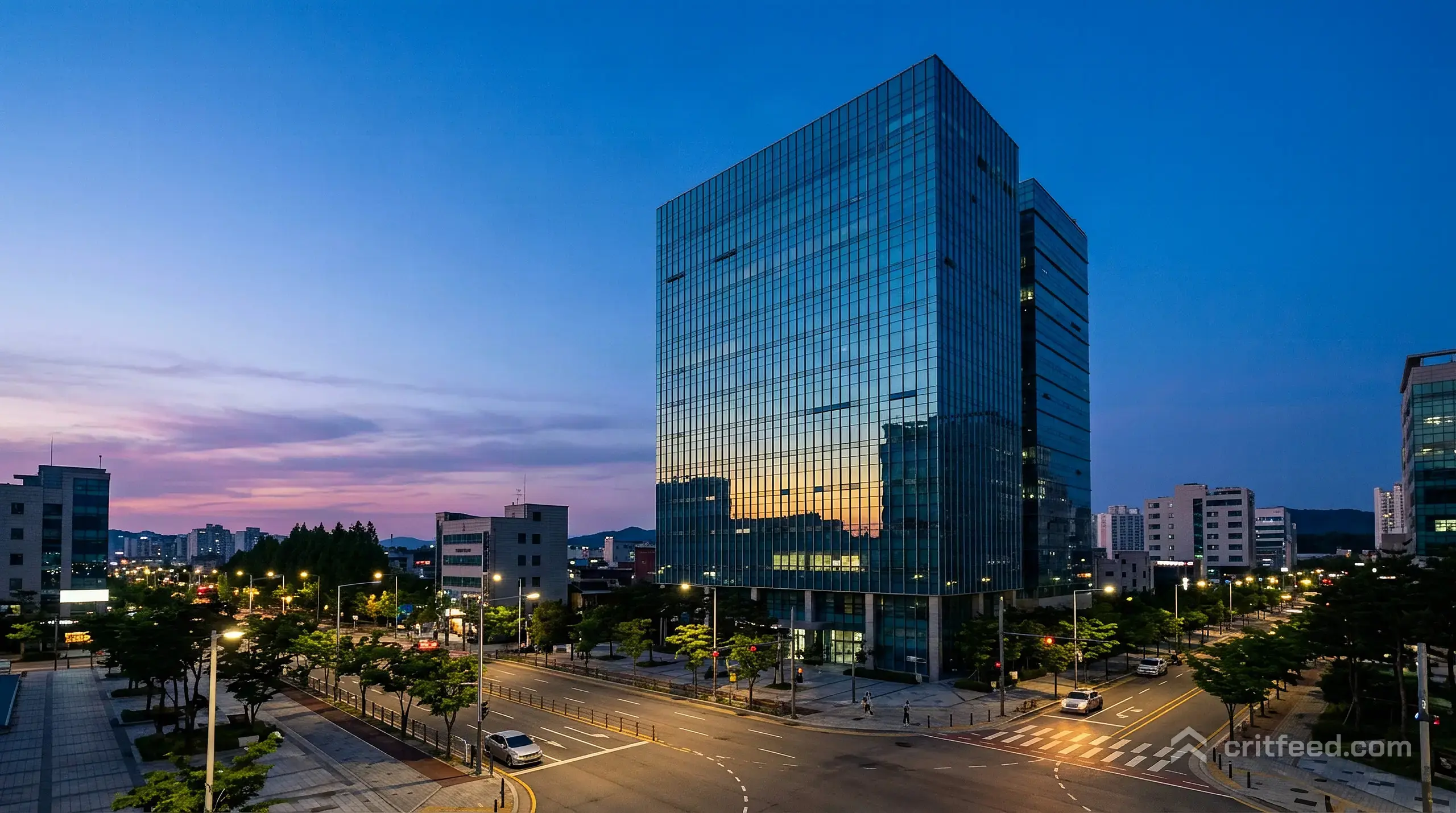
Krafton is headquartered in Seongnam, South Korea, in the Gyeonggi Province tech corridor near Seoul.
What This Means for Your Next Match
Ownership trivia is fun, but the practical takeaway is this: Krafton is a publicly traded company with a long-term stake in keeping PUBG healthy on PC. That means continued patches, continued esports, and continued anti-cheat work.
If you are new to the game, our pubg beginner guide is the fastest way to get up to speed. Veterans looking to sharpen their edge should bookmark our pubg tips and tricks collection and our rundown of the best pubg settings for competitive play.
The Bottom Line
Krafton, Inc. is the PUBG owner, and has been since the Bluehole restructuring in 2018. The company develops the PC game through PUBG Studios, funds the PGC esports circuit, and trades publicly on the Korea Exchange. Tencent’s involvement is limited to the separate mobile product under license.
Open questions worth watching: how Krafton balances free-to-play monetisation against competitive integrity, and how the PC roadmap evolves as new maps and modes rotate through. For current patch values, prize pools and tournament dates, always check the in-game client and the official PUBG esports site, because those move faster than any article can.
Ready to put the knowledge to use? Dive into our pubg best weapons and attachments breakdown and queue up your next drop.