
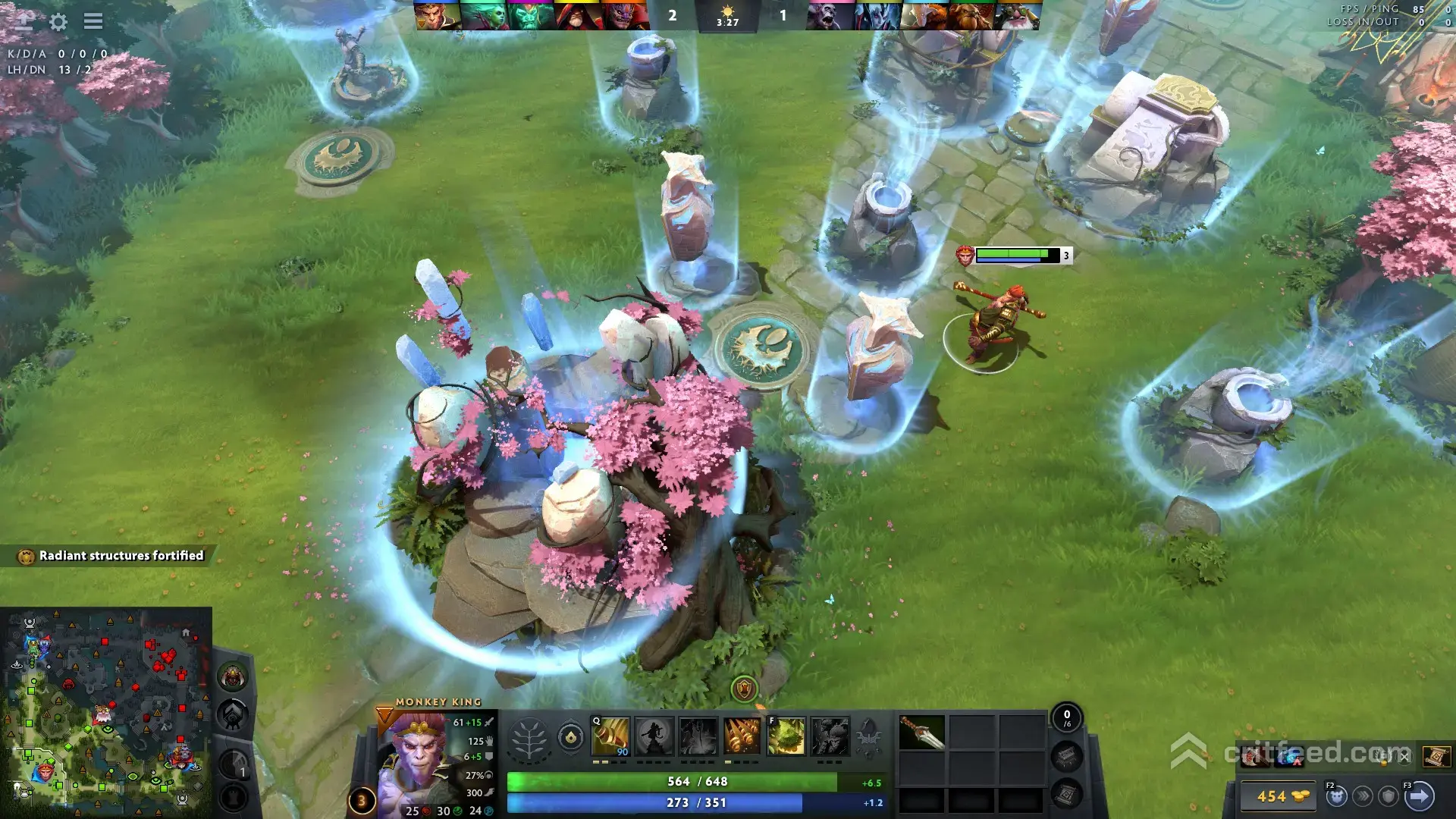
The Glyph in Dota 2 is one of the most misunderstood tools in the game, and pressing it at the wrong moment can lose you a base. In this guide, we break down exactly how the Glyph of Fortification works, when to burn it, and how to bait the enemy into wasting theirs. Whether you’re a support learning the ropes or a position 1 tired of watching teammates smash the wrong button, this is the resource you need.
What Is the Glyph of Fortification?
The Glyph of Fortification is a team-wide ability that makes every building on your side invulnerable for a short window. It sits above the minimap on your HUD and can be activated by any player on the team.
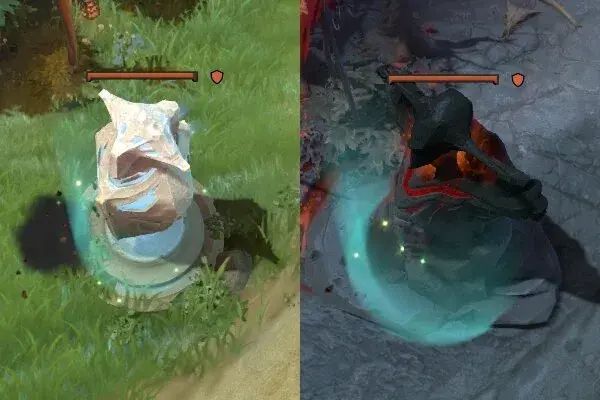
Once pressed, all towers, barracks, the Ancient, and even fountain structures take zero damage for the duration. It also grants your buildings a brief attack speed boost, letting towers punch back at anyone foolish enough to keep hitting them.
Key takeaway: The Glyph is not a personal item. It belongs to your whole team, and every player shares the same cooldown.
How the Glyph Cooldown Works
The Glyph runs on a five-minute cooldown by default. That number is not the whole story though, because Valve built a smart reset system into the mechanic.
The Tower Loss Reset
Here is the part most players miss. The first time each of the following buildings falls, the Glyph cooldown resets to zero for the losing team:
- The first Tier 1 tower destroyed
- The first Tier 2 tower destroyed
- The first melee barracks destroyed
This means a defending team gets a fresh Glyph at each major stage of the game. You are effectively rewarded with a new fortification pulse every time the enemy breaks a layer of your base.
Cooldown Summary Table
| Trigger | Effect on Glyph |
|---|---|
| Default cooldown | 5 minutes |
| First T1 tower lost | Full reset |
| First T2 tower lost | Full reset |
| First melee barracks lost | Full reset |
| T3, T4, or ranged rax loss | No reset |
When to Press the Glyph
Timing separates the players who climb from the ones stuck in the same bracket. Here are the moments when hitting the Glyph is almost always correct.
Save a Tower Under Split Push
If a hero like Nature’s Prophet or Tinker is tickling your T1 while the map is quiet, a Glyph can absorb their entire commitment. You force them to walk away with nothing, and you likely get the cooldown back the next time that tower actually dies.
Deny a Creep Wave Dive
When enemies dive under your tower with a big creep wave, Glyphing turns your building into a killing machine. The attack speed buff shreds the creeps in seconds, leaving the divers exposed with no minion damage soak.
Buy Time on High Ground
This is the classic use. Enemy team is smashing your rax with buybacks ready, and you need six seconds for a teammate to teleport in or for your ultimate to come off cooldown. The Glyph freezes the push and completely changes the fight.
Getting these calls right ties directly into broader base defense skill. If you want more on holding leads and losing them, our dota 2 laning guide covers the earlier stages that decide how well-defended your base ever needs to be.
When NOT to Press the Glyph
Wasted Glyphs lose games. Avoid these traps.
- Pressing it on a Tier 1 in the laning stage when nobody is really committing. You will not get the reset until that tower actually dies later.
- Panic Glyphing a healthy tower when only one hero is hitting it. Let them push a bit, then answer with rotations.
- Using it when the enemy has no follow-up. If they cannot break through anyway, save it.
- Burning it with your buybacks already up. Sometimes the correct call is to buyback and defend, not to Glyph.
The rule of thumb: the Glyph should either save a building that is about to die, or turn a defense into a kill window. Anything less is a waste.
Reading the Enemy Glyph
Every good push starts with a Glyph check. When you tab through the top of the enemy HUD, you can see whether their fortification is up.
If Their Glyph Is Ready
Expect them to use it the moment you commit. Bring extra siege damage, plan for a six-second pause, and do not blow your ultimates during the invulnerability window.
If Their Glyph Is on Cooldown
This is the green light. Push with confidence, especially if you just took the tower that would have reset it. Force the fight before their timer refreshes.
Vision matters here too. Watching Glyph timings alongside Roshan pit control gives your team a full picture of what the enemy can and cannot do. Our dota 2 warding guide covers the vision fundamentals that make these reads possible.
The Attacker’s Glyph
Yes, you also have a Glyph while pushing. It is easy to forget because you rarely need to protect buildings mid-siege, but it has real uses.
Common attacker Glyph plays:
- Protecting your Ancient during a base race
- Saving your T3 when you overextend and get counter-pushed
- Blocking a creep wave from pulling aggro during a high-ground siege
Never dive into a base race without checking your own Glyph first. If it is down, you probably lose the race.
Communication and the Glyph
Because any teammate can press the Glyph, miscommunication is the enemy. Random Glyphs from panicking supports are a classic ranked disaster.
Rules for the team:
- Call Glyph in chat or voice before you press it
- Position 4 and 5 supports typically manage the Glyph
- If a core wants the Glyph saved, they should ping “no Glyph”
- Never Glyph without checking if a teammate is about to
Support players carry a lot of these responsibilities. Our dota 2 support guide has more on the mental checklist a good pos 4 or 5 runs during a defense.
Glyph and Backdoor Protection
The Glyph is not the same as backdoor protection, and confusing the two loses games.
Backdoor protection is a passive regeneration and damage reduction on buildings when no enemy creeps are nearby. It applies automatically to T3 towers, barracks, and the Ancient.
Glyph is an active six-second invulnerability that works regardless of whether creeps are present.
You can stack them. If enemies are trying to backdoor your T3 without a creep wave, the Glyph gives you the six seconds you need for backdoor protection to heal the building back up.
Advanced Glyph Tricks
Once you have the basics down, these plays separate good players from great ones.
The Creep Deny Glyph
If you Glyph while enemy creeps are attacking your tower, your tower will kill their creeps instantly with the attack speed buff. This starves the diving heroes of minion damage soak and often turns a dive into free kills.
The Trade Glyph
Sometimes you Glyph a T1 you know will die anyway, because it forces the enemy to sit under it for longer, wastes their ultimates, and delays their next objective. You lose the tower, get the reset, and gain map tempo.
The Rat Response Glyph
Against split-push comps like Nature’s Prophet, Lycan, or Tinker, the Glyph is a hard counter. One player globally shuts down their entire strategy for six seconds. Track their teleport cooldowns and Glyph the instant they commit.
The Bottom Line
The Glyph of Fortification is a team-shared, five-minute invulnerability that resets when your first T1, T2, and melee rax fall. Used well, it saves games. Used badly, it hands them away. Focus on communication, watch the enemy Glyph before every push, and never panic-press it on a healthy tower.
Want to keep climbing? Pair this knowledge with our dota 2 map guide to understand the terrain your Glyph is defending, and check out our dota 2 roshan guide for the other major team-wide objective that shapes every mid-to-late game.