
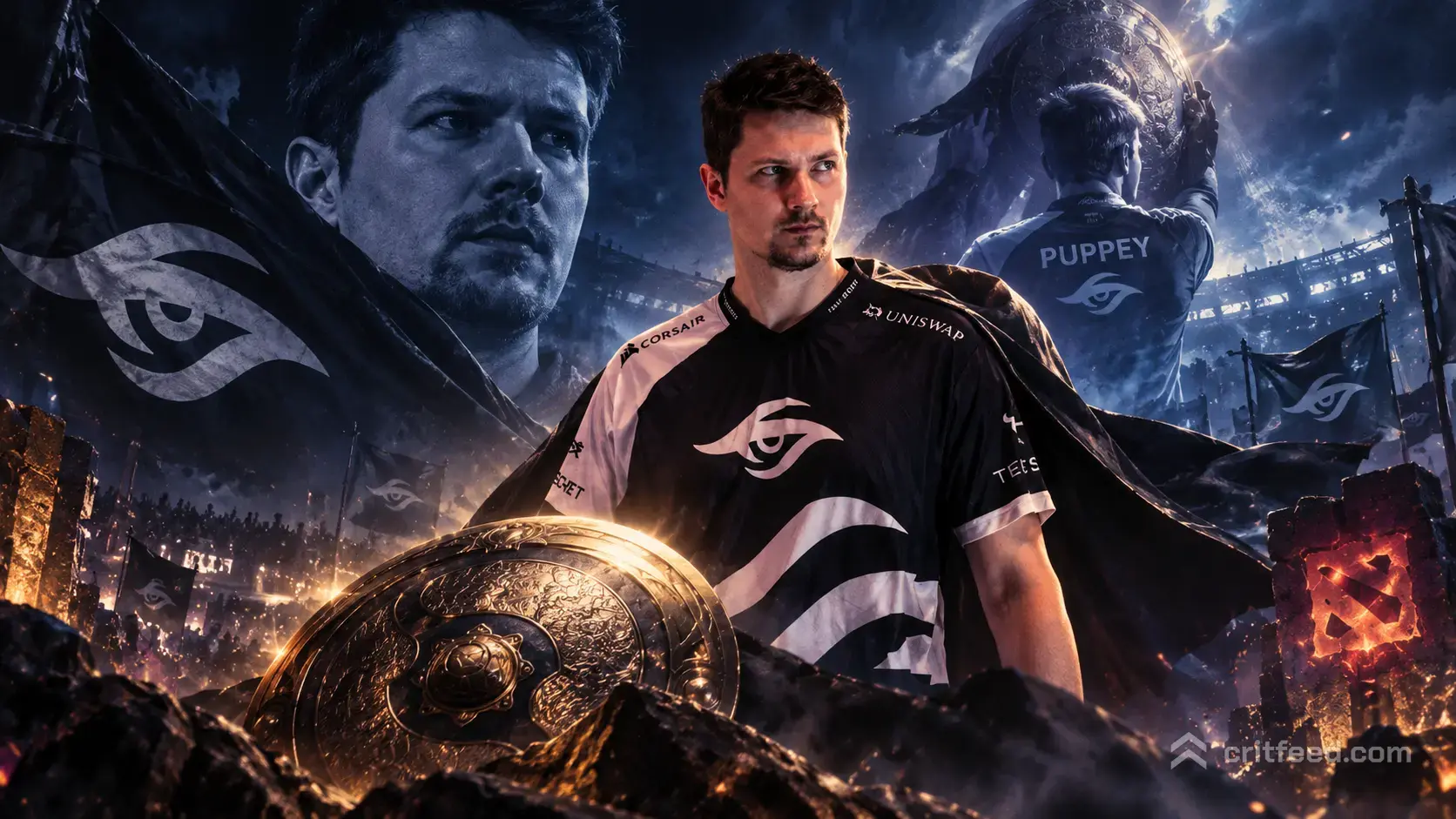
Puppey: Dota 2’s Legendary Captain and His Enduring Legacy
Clement “Puppey” Ivanov stands as the most accomplished captain in Dota 2 history, with a career spanning from the game’s earliest days to the present. Born in Estonia in 1990, Puppey has competed at the highest level for over a decade, earning more prize money than any other player and leading multiple teams to championship victories. Currently coaching PARIVISION after stepping back from active play, his influence on professional Dota 2 remains as strong as ever.
Early Career and Rise to Prominence
Puppey began his professional Dota career before Dota 2 even existed, playing the original Defense of the Ancients mod. When Valve launched Dota 2, he was among the first generation of players to transition to the new game.
His breakthrough came with Natus Vincere (Na’Vi), the Ukrainian organization that dominated the early Dota 2 competitive scene. As the team’s captain and position 5 hard support, Puppey led Na’Vi to victory at The International 2011, the inaugural world championship. The team returned to the grand finals at TI2 and TI3, establishing Puppey as one of the game’s premier strategic minds.
During his time with Na’Vi, Puppey played alongside legendary carries like Dendi and XBOCT, crafting the aggressive, early-game-focused style that defined the team’s identity. His drafting ability became legendary, often surprising opponents with unconventional hero picks that perfectly countered enemy strategies.
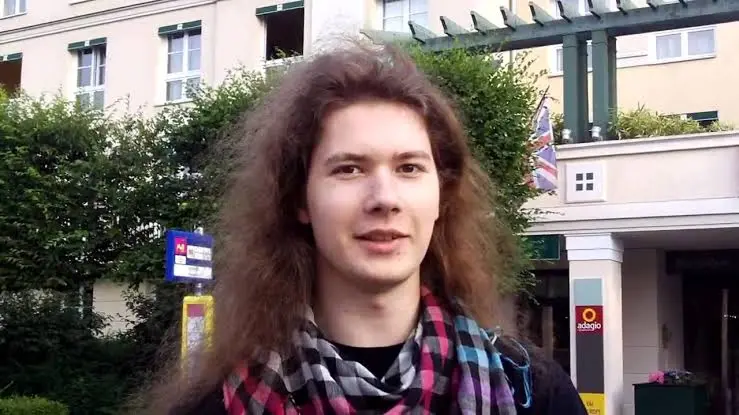
Team Secret Era: Building a Dynasty
In 2014, Puppey made the bold decision to leave Na’Vi and co-found Team Secret. This move reshaped the European Dota 2 landscape and gave Puppey complete control over his roster and strategic direction.
Team Secret became one of the most successful organizations in Dota 2 history under Puppey’s leadership. The team’s achievements include:
- Multiple Major championship victories across different Dota Pro Circuit seasons
- Consistent top finishes at The International
- One of the highest total prize earnings of any Dota 2 organization
- A reputation for developing young talent into world-class players
Puppey’s roster building became as famous as his in-game leadership. He cycled through numerous lineups over the years, always maintaining Secret’s competitive edge. Players like Arteezy, s4, zai, and Nisha all reached career peaks under his captaincy.
His signature heroes during the Team Secret era included Chen, Enigma, and Io, position 5 picks that required perfect map awareness and team coordination. Puppey’s ability to maximize farm priority for his cores while creating space from the hard support role set new standards for the position.
Playstyle and Strategic Philosophy
Puppey’s approach to Dota 2 centers on disciplined execution and draft superiority. Unlike captains who rely on mechanical outplays, Puppey wins games before they start through superior preparation and hero selection.
Drafting Mastery
His drafting style emphasizes:
- Flexible first-phase picks that don’t reveal the team’s strategy early
- Counter-picking in later phases once opponent intentions become clear
- Comfort picks for cores that allow them to play at their peak
- Unconventional support duos that create unexpected lane matchups
Puppey famously popularized support Chen in the modern era, using the hero’s early-game dominance to secure map control before opponents could respond. His Enigma play introduced the concept of jungle-to-lane rotations that became standard practice across all regions.
In-Game Leadership
As a captain, Puppey maintains tight control over team movements and objective prioritization. His teams are known for:
- Disciplined smoke rotations that catch opponents out of position
- Roshan timing abuse to secure Aegis before enemy teams can contest
- Vision warfare that starves opponents of map information
- Buyback coordination in late-game scenarios
His communication style is direct and decisive. Former teammates describe him as demanding but fair, pushing players to perform beyond their perceived limits.
Transition to PARIVISION and Coaching Role
After years as an active player, Puppey transitioned to a coaching role with PARIVISION in the Dota 2 competitive scene. This move allows him to continue shaping competitive strategy without the physical demands of full-time play.
As PARIVISION’s coach, Puppey brings decades of experience to a developing roster. The team competes in the regional DPC leagues, with Puppey’s guidance helping them secure tournament placements and build toward higher-tier competition.
The shift from player to coach represents a natural evolution for someone who always excelled at the strategic rather than mechanical aspects of Dota 2. His support guide principles now get passed to a new generation of players.
Career Achievements and Records
Puppey’s competitive resume includes accomplishments no other player has matched:
Tournament Victories
- The International 2011 champion with Natus Vincere
- Multiple Dota Major championships with Team Secret
- Dozens of premier tournament victories across all regions
- Only player to attend every single International tournament from TI1 through TI11
Individual Records
- Highest career prize earnings in Dota 2 history (over $4 million)
- Most professional Dota 2 matches played
- Most diverse hero pool of any position 5 player
- Only captain to lead two different organizations to Major championships
These numbers tell only part of the story. Puppey’s influence on hero tier lists and competitive meta development extends beyond what statistics capture.
Impact on Competitive Dota 2
Puppey’s contributions to professional Dota 2 reach far beyond personal achievements. He fundamentally changed how teams approach the game:
Position 5 Evolution
Before Puppey, hard supports were often relegated to ward placement and dying first in fights. He demonstrated that position 5 players could be primary playmakers and strategic leaders. His success inspired a generation of support players to view the role as equally impactful as core positions.
Modern best support heroes lists reflect the active, aggressive playstyle Puppey pioneered.
Draft Innovation
Puppey introduced draft concepts that became industry standard:
- Baiting opponents into comfort picks, then countering them
- Hiding carry position assignments until the final pick
- Using support bans to disrupt opponent strategies
- Prioritizing lane matchups over late-game composition
Tournament organizers had to adjust rules around pause times and draft clocks specifically because of strategies Puppey developed.
Player Development
Countless professional players credit Puppey with teaching them competitive Dota 2 fundamentals. His teams became proving grounds where young talents learned to compete at the highest level before moving to other organizations.
The rigorous practice environment he established at Team Secret set new standards for professional preparation. Concepts like dedicated draft sessions, replay analysis, and opponent scouting became mandatory across all tier-one teams.
Playing Style and Signature Heroes
Puppey’s hero pool spans the entire support roster, but certain picks define his legacy:
Chen
His Chen play revolutionized the hero in competitive Dota 2. Puppey maximized the hero’s early jungle pressure, converting neutral creeps into a pushing army that forced opponents to respond or lose towers. His understanding of creep abilities and timings remains unmatched.
Enigma
Puppey’s Enigma introduced the modern jungle-support hybrid role. He would farm crucial items like Blink Dagger while still participating in key fights, using Black Hole to win team fights even from a support position. His Enigma games forced permanent bans in elimination matches.
Io
The Wisp pick became synonymous with Puppey’s Team Secret squads. His Relocate timings and tether positioning created space for cores to farm dangerously deep, knowing Puppey could extract them instantly. The global map presence changed how teams approached vision and defensive positioning.
These heroes all share common traits: high skill ceiling, game-changing ultimates, and the ability to create advantages through superior map awareness. Puppey’s warding spots knowledge allowed him to maximize each hero’s strategic potential.
Legacy and Current Influence
Even after transitioning away from active play, Puppey’s influence permeates competitive Dota 2. Tournament broadcasts still reference “Puppey pauses” and “Puppey drafts” when describing certain strategies. New captains study his past games to understand meta development and counter-strategies.
His emphasis on disciplined execution over flashy plays shaped the modern European Dota 2 style. Teams from the region prioritize strategic superiority and coordinated movements, a direct inheritance from Puppey’s approach.
The PARIVISION coaching role gives Puppey continued platform to develop these ideas. As younger players rise through the MMR ranks, many cite Puppey’s games as study material for position 5 play.
Controversies and Criticisms
No career spanning over a decade avoids controversy. Puppey faced criticism over the years for:
- Team Secret financial disputes with former players
- Roster changes that some viewed as excessive
- Incidents involving equipment damage during high-pressure matches
- Strict team environments that didn’t suit all personalities
Puppey has addressed some of these issues publicly while declining comment on others. His defenders point to the success rate of players who worked under him, suggesting the demanding environment produced results. Critics argue that success doesn’t justify all methods.
These controversies don’t erase his competitive achievements but provide complete context for evaluating his career.
The Future of Puppey in Dota 2
At 36 years old, Puppey’s active playing career appears finished, but his coaching and strategic work continues. PARIVISION represents a new chapter where he can develop talent without the physical demands of tournament play.
Whether he’ll transition into team ownership, stay in coaching long-term, or eventually step away from competitive Dota 2 entirely remains unclear. What’s certain is that his influence on the game will persist through the players he mentored and the strategies he pioneered.
New players learning carry roles or studying farming patterns benefit from systems Puppey helped establish, even if they’ve never seen his games.
Conclusion
Puppey’s Dota 2 career stands unmatched in longevity, achievement, and influence. From The International 2011 champion to PARIVISION coach, he’s remained at competitive Dota 2’s highest level longer than anyone else. His strategic innovations shaped how professional teams approach drafting, vision control, and support play. While controversies marked parts of his journey, the competitive results speak clearly: Puppey is Dota 2’s greatest captain, and his legacy will define the position for generations.