
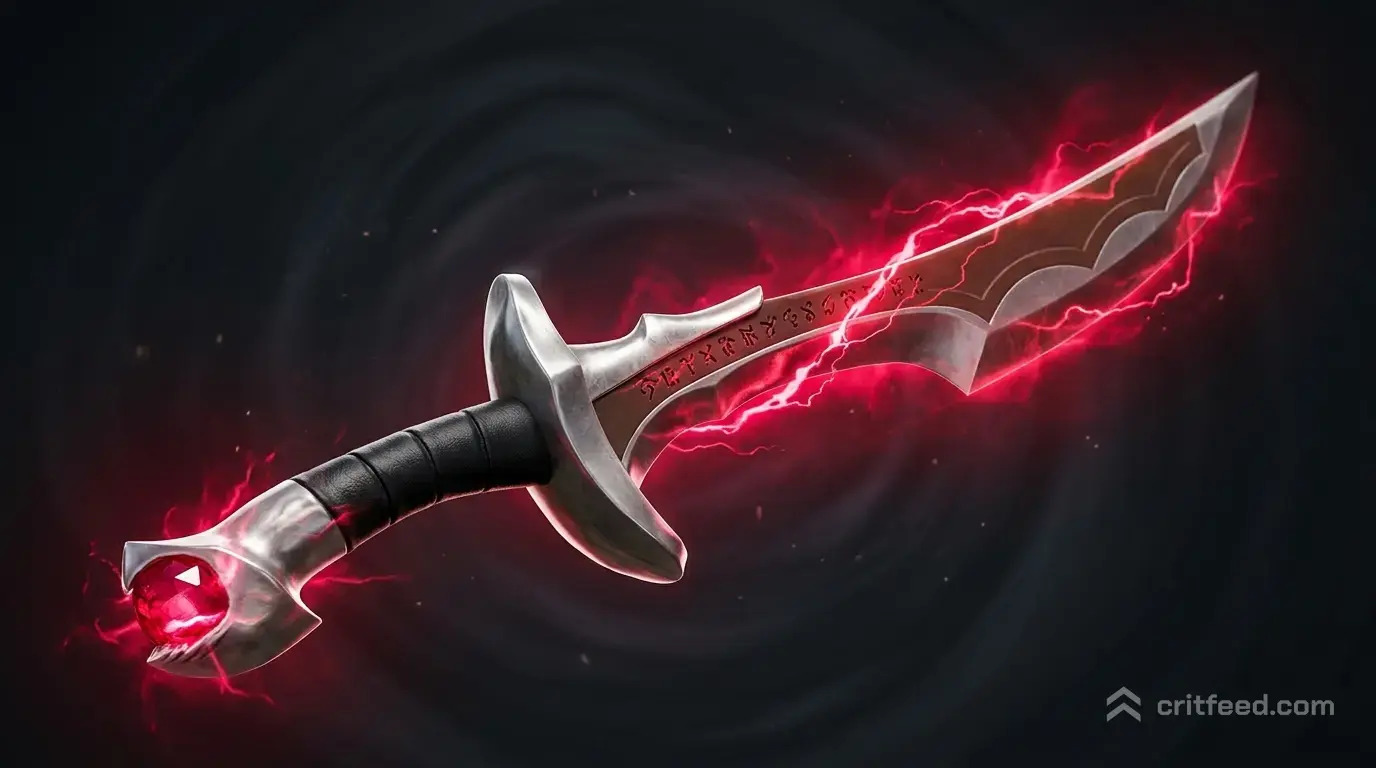
Sange in Dota 2: Stats, Build Paths, and Best Heroes
Sange is one of the oldest strength items in Dota 2, and it is almost never the item you keep. It is a stepping stone: a cheap chunk of strength and damage that unlocks three of the game’s most important upgrades. In this guide, we break down what sange actually gives you, how its Maim passive works, and which heroes benefit most from building it.
What Is Sange?
Sange is a mid-tier item built from a Belt of Strength and a Broadsword, with a small recipe cost on top. It is named after one of the twin blades from the Three Kingdoms-inspired item lore that also gave us Yasha.
On its own, Sange is a budget damage and health item for strength heroes. Its real purpose is to act as a component for stronger upgrades.
Key takeaway: You almost never stop at a plain Sange. You build it to combine into something better.
Sange Stats and Passive
The item provides a mix of raw strength, flat attack damage, and a slow proc on hit. The exact numbers get tuned patch to patch, but the shape of the item has stayed the same for years.
| Property | What It Does |
|---|---|
| Strength bonus | Adds health, HP regen, and strength-based damage |
| Attack damage | Flat damage added to each hit |
| Status resistance | Reduces the duration of debuffs on you |
| Maim (passive) | Chance on hit to slow the target’s movement speed |
Maim is the signature effect. It is a lash-style proc that triggers on attacks and briefly slows the enemy, which is why Sange shows up on heroes that want to stick to a target and keep hitting.
Sange Build Paths
Here is where the item actually matters. Sange is a component for three upgrades, and picking the right one defines your mid-game.
Sange and Yasha
Combining Sange with a Yasha gives you Sange and Yasha, usually shortened to S&Y. You get strength, agility, attack speed, movement speed, and a stronger Maim proc.
This is the aggressive path. S&Y is for heroes who want to close gaps, chase down cores, and keep hitting during fights. It is a classic pickup on heroes like Juggernaut, Sven, and Troll Warlord when they want more mobility than a Battle Fury or Mjollnir provides.

Heaven’s Halberd
Sange plus Talisman of Evasion plus a recipe builds Heaven’s Halberd. You trade the agility and movement of S&Y for evasion and a game-defining active that disarms a target.
Disarm forces melee carries to stand there and watch you kill them. Halberd is the single best counter in the game to right-click heroes like Phantom Assassin, Troll Warlord, Anti-Mage, and Terrorblade. Offlaners and some supports pick it up specifically to shut down those matchups.
Kaya and Sange
Sange combines with Kaya to form Kaya and Sange, the strength-and-intelligence hybrid. You get strength, intelligence, status resistance, spell amplification, and health regen amplification.
This is the pickup for spell-heavy strength heroes. Think Pudge, Dragon Knight, Underlord, Legion Commander, or any strength hero who wants mana sustain and bigger spell damage alongside their health.
Which Build Should You Pick?
Choose the upgrade based on what the game is asking of you, not what you planned at minute zero.
- Sange and Yasha → You are a right-click core who needs to chase, kite, and fight for extended periods.
- Heaven’s Halberd → The enemy carry is a right-clicker and you need to shut them down in fights.
- Kaya and Sange → You are a strength caster who leans on cooldowns and wants mana to keep casting.
If you are still learning when to pick which, our dota 2 hero tier list is a good way to see which cores most often want each path in the current meta.
Best Heroes for Sange
Sange is wide-reaching because its three upgrades go on very different heroes. Here is how it breaks down by role.
Position 1 and 2 Cores
Sange and Yasha is the main destination here. The heroes who love it share one trait: they do their damage through right-clicks and want to be in melee range.
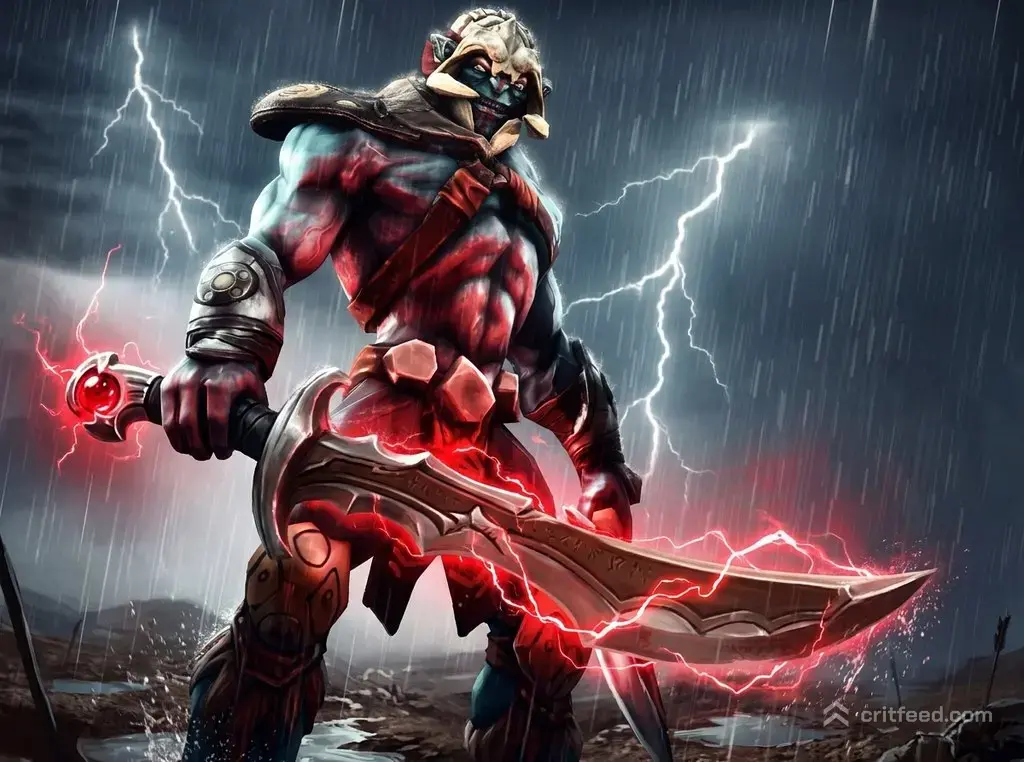
Common picks include:
- Juggernaut when going for a longer fight profile instead of Battle Fury farming
- Sven who stacks the strength and the movement speed with his aura
- Troll Warlord for the chase potential alongside his attack speed
- Ursa who wants to stick on a target through Fury Swipes stacks
- Lifestealer as a mid-game pickup before Abyssal Blade
Position 3 Offlaners
Offlaners are the biggest Halberd buyers. Centaur Warrunner, Underlord, Mars, and Tidehunter all appreciate the strength, status resistance, and the disarm active against enemy carries.
Kaya and Sange also shows up on offlaners who cast more than they hit, including Underlord, Legion Commander with Duel builds, and Dragon Knight when running a magical damage style.
Position 4 and 5 Supports
Supports do not usually rush Sange, but Heaven’s Halberd is a legitimate support item when the enemy has a scary physical carry and your team has no reliable disable for them. Strength supports like Dazzle, Oracle (built on int, but can afford it), and Warlock sometimes pick it up.
Sange Timing and Economy
Sange on its own costs roughly in the mid-game bracket, cheaper than a BKB but more expensive than a Blink. Here is how to think about when to get it:
- Finish your lane item first (Phase Boots or Power Treads, a wand, early sustain).
- Buy the component you need first: Belt of Strength for the HP, Broadsword for the damage.
- Decide at Sange whether you commit to S&Y, Halberd, or Kaya and Sange based on the enemy lineup, not your pre-game plan.
Buying the component in the right order matters. If you are losing lane, the Belt of Strength gives you survivability now. If you are winning and need to kill, the Broadsword adds damage faster.
Common Mistakes With Sange
A few patterns show up constantly in low and mid-MMR games.
- Sitting on a plain Sange for too long. The flat Sange is weak for its slot. Finish the upgrade.
- Building S&Y into a losing matchup against a carry you cannot kill. Halberd would have won that game.
- Rushing Kaya and Sange on a hero that does not cast often. You bought spell amp for a right-clicker.
- Ignoring Halberd when the enemy has Phantom Assassin or Troll Warlord. The disarm is the counter.
New players often default to S&Y on every strength hero. If you are still learning your hero pool, our dota 2 best heroes for beginners guide points out which cores actually want it and which prefer other mid-game items.
Sange vs the Alternatives
If you are weighing Sange against other mid-game pickups, here is a quick comparison.
| Item | Best For | Trade-off |
|---|---|---|
| Sange (into S&Y) | Chasing melee cores | Weaker in long sieges than Desolator |
| Sange (into Halberd) | Shutting down right-click carries | Less personal damage than Blade Mail |
| Sange (into Kaya and Sange) | Spell-casting strength heroes | Weaker right-click than S&Y |
| Vanguard | Pure survivability | No offensive output |
| Hood of Defiance line | Magic-heavy enemies | No strength or damage |
The point of Sange is flexibility. You buy the components, see the game, then choose the upgrade. That is harder to do with items that commit you from the first recipe.
The Bottom Line
Sange is a component, not a destination. The question is never “should I buy Sange” but “which Sange upgrade does this game want”. Get S&Y when you need to chase, Heaven’s Halberd when the enemy carry needs to be disarmed, and Kaya and Sange when you are a strength hero who casts more than you hit.
Watch what the enemy draft is doing before you commit the recipe. The Sange sitting in your inventory is a flexible one; the completed item is a locked-in decision, so make it the right one.